

What is Mesothelioma Cancer?
Mesothelioma is a cancer caused by asbestos that affects the lining of organs. The symptoms can develop between 10 and fifty years after exposure to asbestos, but they are often mistaken as less serious illnesses.
The type and location of mesothelioma is classified. About 75 percent of all cases are pleural mesothelioma which is found in the lungs. Less common forms occur in the peritoneum, which is the layer that lines abdominal organs and pelvic structures.
Causes
Mesothelioma, a form of cancer, originates in the thin layer of tissue that protects the majority of your internal organs. It is known as the mesothelium. It is most commonly found in the lining of your lungs (pleura) or the lining of the stomach but it may also be found in the tissues around your heart, testicles and in other places. The cancer is caused by exposure to asbestos.
Asbestos, a mineral that occurs naturally, is a fibrous and strong fibers. It was used for a variety purposes including insulation, brakes, and shingles. When asbestos mesothelioma cancer is broken up or disturbed, it can release tiny particles into the air. Inhaling these fibers may cause irritation to the lungs and digestive tract, and also cause abnormal cell growth. This can lead to mesothelioma, which is generally malignant (cancerous).
A diagnosis of mesothelioma is terrifying and alarming for the patient and their family members. It's crucial to gather as much information as possible and to speak with your physician about any symptoms you have. It's also crucial to be diagnosed early to begin treatment as soon as possible.
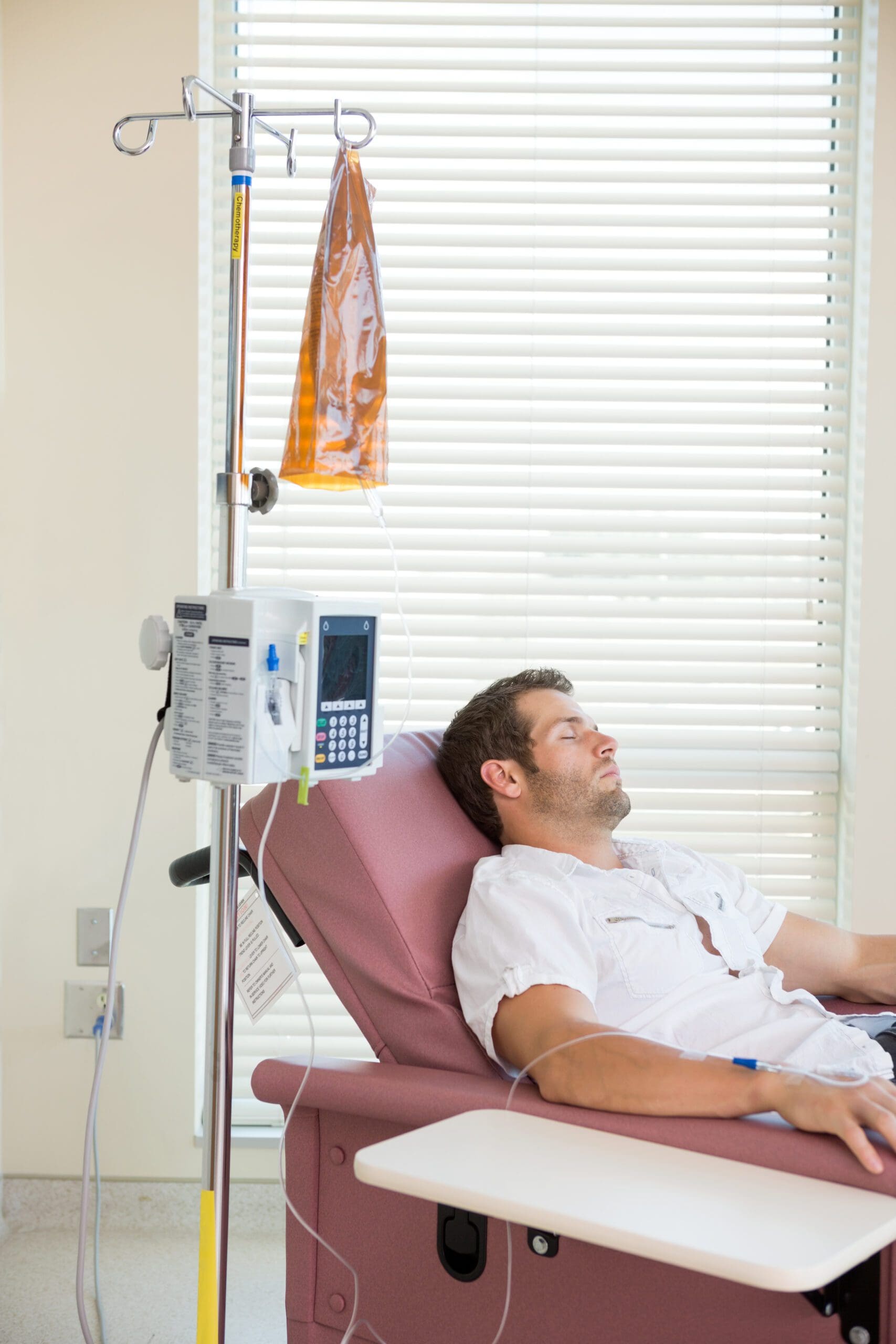
Your doctor will order physical examination, blood tests, and imaging scans of your chest or abdomen when you first get diagnosed with mesothelioma. These tests will aid your doctor to identify any unusual growths and rule out other diseases.
Your doctor might also suggest an excision procedure to remove a small piece of the mesothelium to examine it under a microscope for signs of cancer. You may also receive chemotherapy, which utilizes specific medicines to kill cancer cells or shrink them. It can be taken in pills or given via a tube inserted into a vein.
Some mesotheliomas (non-cancerous cancers) do not grow to other areas of the body. Melotheliomas that are benign can occur in the pleura or abdominal cavity, and also in the reproductive organs of both genders.
Signs and symptoms
Mesothelioma is a type of cancer that occurs in the cells of the membrane surrounding organs. Mesothelioma cancers that are malignant can grow to other organs and tissues within the body. The inner layer of mesothelium is wrapped around various organs, including the heart, lungs and stomach. The outer layer, known as the peritoneum covers the abdominal cavity. There is a tiny amount of fluid between the two layers so the organs can move freely. Mesothelioma can develop in any of the layers of mesothelium.
The kind and the location of cancer will determine the signs of mesothelioma. The symptoms include coughing, pain and breathlessness, fatigue, and swelling. Mesothelioma, like other cancers is rare and could be difficult to detect by a physician. The symptoms may resemble those of other conditions and mesothelioma is known to have a lengthy latency time.
For pleural mesothelioma the most frequently reported symptoms are chest pain, coughing, and difficulty breathing. Chest pain could be caused by the accumulation of fluid on the lungs. The fluid is also called a pleural effusion and is often confused with other conditions like pneumonia or chronic obstructive respiratory disease (COPD).
A CT scan or lung scan can detect changes in the lung. These include the presence of pleural effusion, pleural thickening and pleural thickness. It also helps doctors rule out other conditions that may be causing symptoms.
A blood test can measure levels of certain proteins that are more prevalent in mesothelioma patients. Doctors may opt for a procedure known as VATS or thoracoscopic surgery drainage to remove fluid from the pleura. This can improve a person's breathlessness and ease chest pain.
The symptoms of mesothelioma may be mild or even serious. Doctors can prescribe medications to ease symptoms based on the signs. Pain that is mild can be treated with over-the counter nonsteroidal anti-inflammatory drugs, like Ibuprofen and aspirin. Doctors may prescribe opioid medications for severe to moderate pain. These are commonly used in conjunction with NSAIDs and include hydrocodone, oxycodone, codeine and methadone. Palliative medicine can also offer relief from pain and comfort. It can help improve the quality of sleep and overall the quality of their life.
Diagnosis
A mesothelioma expert can diagnose the disease by performing various tests. The first step is an examination of the body and a tissue sample. A pathologist then examines the tissue under a microscope to determine mesothelioma-related cells and determine their nature. Blood tests are also often used to determine the presence of markers that indicate a mesothelioma diagnosis.
Mesothelioma symptoms vary based on the type of mesothelioma and the location of the tumor. The signs of pleural mesothelioma can include breathing problems and chest tightness or pain and dry cough. Other signs include swelling of the legs and arms and weight loss that is not explained, and difficulty swallowing. The accumulation of fluid in the abdomen can cause abdominal pain and swelling of the arms and face, or difficulty moving.
If a doctor suspects mesothelioma, they can request imaging tests that will aid in determining the size and location of the tumor. Doctors can perform an abdominal CT scan or an MRI to obtain precise images of the lungs as well as the abdomen.
Doctors can also conduct a needle biopsy in order to collect a sample of mesothelioma tumor's lining. This can be done with local anesthesia by inserting thin needles into the mesothelioma. Or, using video or camera assisted biopsies that require inserting a small tube through the abdomen or chest.
These tests aid in determining how far mesothelioma is spreading from the point of source. This information aids doctors in determining the stage of cancer present. The Roman numerals span from I to IV.
If mesothelioma is discovered an expert team can decide which best treatment options are for the patient. The team typically includes mesothelioma surgeons and an oncologist as well as other medical professionals who specialize in different aspects of care for mesothelioma. They may also recommend palliative treatment to treat pain and symptoms. Mesothelioma patients should always consult a second opinion with an expert mesothelioma doctor. Many patients are misdiagnosed before receiving a definitive mesothelioma diagnosis.
Treatment
The type of mesothelioma you have and your health condition will determine the type of treatment you get. Usually surgery is the first treatment option for malignant mesothelioma. But if you are in the final stages of the disease and it isn't operable, other treatments may help relieve symptoms and improve your quality of life.
Your doctor will use imaging tests, like chest X-rays to look for mesothelioma, and to see if the disease is developing. They may also take samples of the cancerous tissue for testing. A biopsy will reveal the presence of mesothelioma and determine the kind of cancerous cell. This can affect the prognosis. There are three types of epithelioid cells, sarcomatoid cells and biphasic. The majority of mesothelioma cases are epithelioid tumors, which respond better to treatment than sarcomatoid or biphasic cancers.
The treatment for mesothelioma of the pleura usually involves the procedure known as extrapleural or EPP. The procedure removes the lung affected as well as the pleura and a portion of the diaphragm. This surgery is very and invasive, therefore doctors are careful to only remove as much mesothelioma as is needed. They will employ multimodal plans that may include chemotherapy and radiation.
Other mesothelioma surgeries can be utilized to shrink the size of tumors or treat cancer that has recurred. For instance, a surgeon may drain fluid from around your lungs (pleurodesis) or use tubes to drain the fluid frequently at home (a pleurectomy). Other surgeries can be used to alleviate mesothelioma-related symptoms for example, a peritoneal operation known as a HIPEC (heated intraoperative chemotherapy) that uses chemo before removing the lining of your abdominal cavity.
Many people with mesothelioma are not eligible for surgery due to their advanced stage of cancer or health condition. If you're fit enough to undergo surgery, it will improve your life quality and increase your chances of survival.
Certain types of mesothelioma are low-risk and can be detected with regular checkups, or by less invasive procedures, such as a thoracoscopic pleurodesis or drainage tube for Pleural effusion. You can also sign up for mesothelioma clinical trials which offers more targeted treatments than traditional methods.